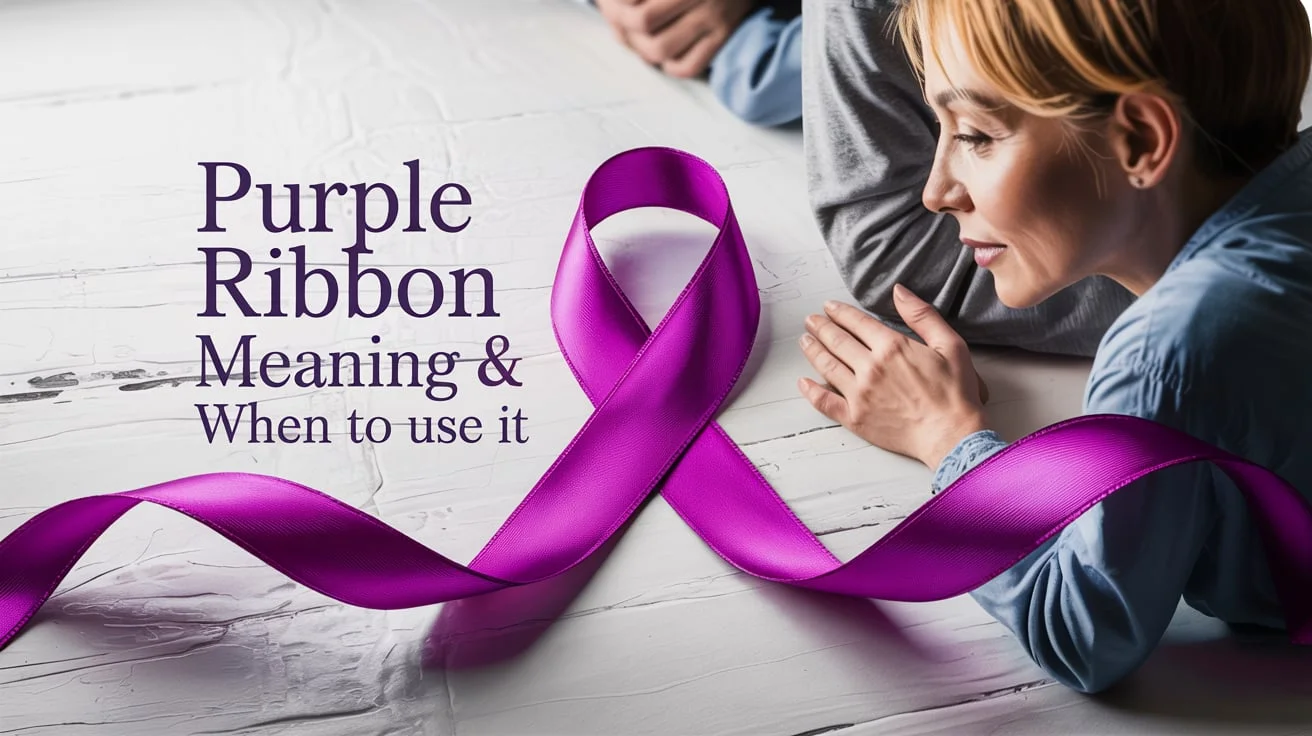
The purple ribbon has become one of the most recognized awareness symbols across the world. From healthcare campaigns to social justice movements, this simple loop of color carries deep emotion and purpose. But have you ever wondered what the purple ribbon truly means, or when you should wear it? Let’s explore its origins, symbolism, and the powerful causes it represents.
What Is an Awareness Ribbon?
Awareness ribbons are simple fabric loops that speak volumes. Each color represents solidarity with a cause — from red for HIV/AIDS awareness to pink for breast cancer. The purple ribbon, in particular, stands out because of its broad representation across numerous issues.
The concept of awareness ribbons began gaining traction in the early 1990s, though colored symbols had been used long before then. Their purpose is clear: to visually express support, raise awareness, and spark conversations that lead to action.
Today, the purple ribbon is used globally, symbolizing courage, survival, remembrance, and hope.
A Brief History of the Purple Ribbon
The purple ribbon first appeared in campaigns for domestic violence awareness in the late 20th century. Over time, its use expanded into other movements, such as pancreatic cancer awareness, Alzheimer’s awareness, and anti-bullying efforts.
One of the earliest large-scale campaigns, the Purple Ribbon Campaign, was launched in 1991 in Canada to raise awareness about violence against women. Since then, purple ribbons have become an annual sight during events like Domestic Violence Awareness Month (October) and World Alzheimer’s Day (September 21).
The color’s association with dignity and perseverance made it ideal for such causes, and it continues to serve as a unifying emblem for those promoting compassion and change.
What the Color Purple Symbolizes
The color purple has a rich history that stretches back centuries. Traditionally associated with royalty, nobility, and wisdom, purple also carries emotional depth. It’s a color that balances the calm of blue with the energy of red, creating a sense of strength and serenity.
In awareness campaigns, purple represents:
- Courage — standing strong in adversity
- Remembrance — honoring lives lost or impacted
- Empowerment — giving voice to the voiceless
- Spirituality and compassion — connecting with others on a deeper level
These meanings make purple the perfect color to symbolize resilience and unity across different causes.
Major Causes Represented by the Purple Ribbon
The purple ribbon isn’t limited to one specific issue. Instead, it serves as a universal symbol for multiple causes. Below are the most prominent ones — grouped by category for clarity.
Health-Related Causes
The purple ribbon carries deep emotional resonance in the health sector, representing diseases that affect millions worldwide.
| Cause | Meaning / Awareness Focus | Key Dates & Facts |
| Pancreatic Cancer | Honors those battling or lost to pancreatic cancer. | November is Pancreatic Cancer Awareness Month. |
| Alzheimer’s Disease | Promotes awareness and support for dementia research and care. | June marks Alzheimer’s & Brain Awareness Month. |
| Epilepsy | Recognizes epilepsy survivors and spreads education to reduce stigma. | March 26 is Purple Day for Epilepsy Awareness. |
| Fibromyalgia | Raises awareness about chronic pain and invisible illnesses. | May 12 is Fibromyalgia Awareness Day. |
| Lupus | Highlights autoimmune conditions and advocates for early diagnosis. | May is Lupus Awareness Month. |
Each of these health-related causes uses the purple ribbon as a symbol of hope for patients and their families.
Social Justice and Violence Prevention
Beyond healthcare, purple ribbons are often used in social justice and anti-violence movements.
- Domestic Violence Awareness – Perhaps the most recognized use of the purple ribbon. It signifies strength and unity against intimate partner violence. During Domestic Violence Awareness Month (October), organizations and communities display purple ribbons to honor victims and support survivors.
- Anti-Bullying Campaigns – Purple ribbons are also worn during Spirit Day (celebrated on the third Thursday of October) to support LGBTQ+ youth who face bullying and harassment.
- Animal Abuse Awareness – Animal welfare organizations use the purple ribbon to call for an end to cruelty and neglect.
In each case, the purple ribbon serves as a visual stand against injustice, reminding society to act with empathy and accountability.
Other Causes Represented by the Purple Ribbon
While the causes above are the most prominent, the purple ribbon also represents several others that deserve attention:
- Crohn’s Disease
- Hodgkin’s Lymphoma
- Addiction Recovery Awareness
- Religious Tolerance
- Hunger Awareness
This diversity of meanings reinforces one important idea: context matters. When using the purple ribbon, clarify which cause you’re supporting to ensure your message resonates clearly.
When and How to Use the Purple Ribbon
Wearing a purple ribbon can be both personal and powerful. However, it’s important to wear or display it in the right context to maximize impact.
When to Use It
You can use a purple ribbon during:
- Awareness months (e.g., November for Pancreatic Cancer, October for Domestic Violence)
- Commemorative events honoring victims or survivors
- Fundraising walks or marathons
- Educational workshops or community outreach programs
- Personal remembrance days
How to Use It
There are countless ways to display a purple ribbon meaningfully:
- Wear it as a lapel pin or bracelet.
- Tie a ribbon on your car antenna or porch railing.
- Add a purple ribbon badge to your social media profile.
- Decorate workplaces or schools during awareness months.
- Share facts and resources when posting about the cause online.
Adding context — such as a short note or hashtag — helps others understand what your ribbon represents.
Best Practices: Dos and Don’ts
A purple ribbon can send a powerful message, but how you use it matters. Follow these best practices to ensure your gesture is meaningful.
| Do | Don’t |
| Include a message or tag clarifying the cause (e.g., “Supporting Alzheimer’s Awareness”). | Wear it without context, which may cause confusion. |
| Use it during recognized awareness months or campaign periods. | Treat it as a fashion accessory with no purpose. |
| Combine wearing it with action — donate, volunteer, or share information. | Assume awareness alone equals change. |
| Learn about the cause’s specific color shade or campaign before using. | Mix causes without clarity, which can dilute meaning. |
Example: If you’re wearing a purple ribbon for Alzheimer’s Awareness, include a simple tag like #ENDALZ or mention Alzheimer’s & Brain Awareness Month. This ensures people connect your gesture to the right cause.
Case Studies: Purple Ribbon in Action
1. Domestic Violence Campaign – Newfoundland, Canada
The Purple Ribbon Campaign, first launched in Newfoundland and Labrador in 1991, aimed to promote awareness about violence against women and children. The initiative ran annually from November 25 (International Day for the Elimination of Violence Against Women) to December 10 (Human Rights Day).
The campaign successfully increased local participation and media coverage, with thousands wearing purple ribbons across schools, workplaces, and community centers. Its simple yet powerful message — “Respect Women, Respect Yourself” — continues to inspire similar initiatives globally.
2. Purple Day for Epilepsy
Founded by Cassidy Megan in 2008, Purple Day is observed every year on March 26 to support people living with epilepsy. Participants wear purple, share their experiences online, and organize educational events.
Today, Purple Day is recognized in over 100 countries, proving how a simple color can create a global community of understanding and support. Schools and hospitals often hold interactive workshops, helping demystify epilepsy and fight the stigma attached to it.
3. Pancreatic Cancer Awareness Month
In November, organizations worldwide unite under the purple banner to raise funds and awareness for pancreatic cancer, one of the deadliest forms of cancer. The Pancreatic Cancer Action Network (PanCAN) encourages participants to “Wage Hope” by wearing purple gear, joining fundraising events, and lighting up public landmarks in purple.
These examples show how consistent visual symbols like the purple ribbon can turn awareness into action and inspire change across communities.
Read More: Mitigate: Definition & Meaning in Everyday English
How to Create Your Own Purple Ribbon Awareness Campaign
If you want to support a cause personally or within your community, creating your own purple ribbon campaign can be an effective way to spread awareness.
Steps to Get Started
- Choose the Cause
Identify which cause aligns with your values — such as Alzheimer’s, domestic violence prevention, or epilepsy. - Set Your Goal
Decide whether your campaign aims to raise awareness, collect donations, or inspire conversation. - Plan the Event
Host a small community walk, online challenge, or educational seminar. - Design Your Ribbon
Use craft supplies or order custom pins and wristbands online. - Spread the Word
Leverage social media, local news outlets, and word-of-mouth. - Measure Your Impact
Track engagement — how many ribbons distributed, funds raised, or attendees reached.
Creative Ways to Use the Purple Ribbon
- Organize a “Wear Purple Day” at work or school.
- Distribute purple-themed merchandise like mugs, lanyards, or tote bags with awareness messages.
- Partner with local nonprofits to host charity events or workshops.
- Light up public buildings or monuments in purple to mark awareness days.
These actions not only raise visibility but also foster a sense of community involvement.
FAQs: Purple Ribbon Meaning & Usage
What does the purple ribbon stand for?
It stands for multiple causes including Alzheimer’s, pancreatic cancer, epilepsy, domestic violence prevention, and anti-bullying awareness.
When should I wear a purple ribbon?
Wear it during specific awareness months or events tied to your cause — for instance, March 26 for Purple Day or November for Pancreatic Cancer Awareness.
Can one color represent multiple causes?
Yes. Purple represents several movements, which is why it’s important to specify your cause when displaying it.
Does wearing a ribbon really make a difference?
Absolutely. Awareness fosters conversation, which leads to action — from donations to policy changes
Where can I get purple ribbons?
You can purchase them from awareness organizations like the Pancreatic Cancer Action Network or create your own using craft materials.
Conclusion
The purple ribbon is more than just a piece of fabric — it’s a statement of strength, remembrance, and hope. It unites people around causes that demand attention and compassion. Whether you wear it to honor a loved one, support survivors, or spread education, what matters most is intention.
By understanding the true meaning of the purple ribbon and using it purposefully, you contribute to a global effort to build empathy and drive change.
So the next time you see someone wearing a purple ribbon, take a moment to ask about their cause — you might just start a conversation that changes lives.

Founder of PunnyPeeks and master of celebration magic, David Mass is the creative spark behind the brand’s bold, balloon-filled brilliance. With an eye for color, a flair for design, and a passion for making people smile, David transforms events into unforgettable experiences. From quirky puns to perfectly curated party decor, he believes that every occasion deserves a splash of fun and a whole lot of heart.