Have you ever heard someone say “Mashallah” and wondered what it really means or when to use it? Maybe you’ve seen it in comments on social media, in conversations with friends, or even in daily life, but weren’t entirely sure of its significance. Mashallah is more than just a phrase—it carries deep cultural and religious weight and is a way to express admiration, gratitude, and protection against envy.
In this article, we’ll explore the true meaning of Mashallah, its origins, proper usage, common misunderstandings, alternatives for expressing well wishes, and practical examples to help you use it naturally in your life.
What Does Mashallah Mean?
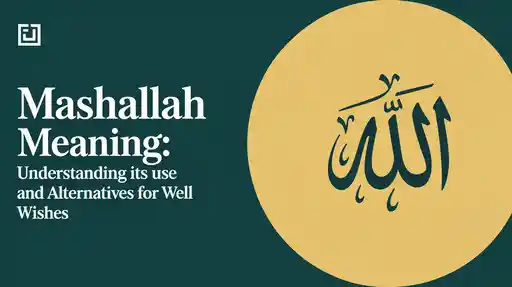
At its core, Mashallah (ما شاء الله) is an Arabic expression that literally translates to “What God has willed”. It is often used to acknowledge something beautiful, good, or praiseworthy while attributing it to God’s will.
Unlike compliments that might seem boastful or attract jealousy, Mashallah communicates admiration without envy. For example:
- “Your new house is beautiful, Mashallah!” 🏠
- “Mashallah, your son is doing so well in school!”
Difference from Similar Phrases:
| Phrase | Meaning | Usage |
| Mashallah | “What God has willed” | Admiration, protection from envy |
| Alhamdulillah | “Praise be to God” | Expressing gratitude |
| Inshallah | “If God wills” | Expressing hope or intention for the future |
Using Mashallah correctly shows respect, humility, and awareness of blessings.
Read More:Chihiro Meaning and Hiatus Meaning Explained Clearly
The Origins of Mashallah
Mashallah has roots in classical Arabic and Islamic tradition. The phrase appears in the Quran and early Islamic texts as a way to acknowledge God’s power and blessings. Over centuries, it spread across the Muslim world and is now widely used in various cultures—from the Middle East to South Asia.
Interestingly, its pronunciation and spelling can vary:
- Masha’Allah – Common in South Asia
- Mash’Allah – Common in the Middle East
Despite the differences, the meaning remains consistent: recognizing and appreciating God’s will.
When to Say Mashallah
Mashallah is primarily used to express admiration or acknowledge blessings. It works in situations where positivity or protection from envy is needed.
Common Scenarios:
- Personal achievements 🏆: “You got a promotion, Mashallah!”
- Family milestones 👶: “Your baby is adorable, Mashallah!”
- New possessions 🏠: “That car is beautiful, Mashallah!”
- Natural beauty 🌸: “Mashallah, this garden is amazing!”
It’s important to use it genuinely. Overusing Mashallah can reduce its meaning, while using it with sincere admiration enhances social and spiritual connections.
Common Misunderstandings
Despite its popularity, Mashallah is often misunderstood.
- Negative contexts: Some people incorrectly use it sarcastically or in envy. Avoid using it for things you dislike.
- Confusing phrases: Don’t mix it up with Alhamdulillah (gratitude) or Inshallah (future intentions).
- Overuse: Saying Mashallah for everything can seem insincere. Focus on meaningful moments.
Pro Tip: Think of Mashallah as a shield against the evil eye, protecting blessings while giving admiration.
Alternatives to Mashallah for Well Wishes
Sometimes, you might want to express admiration or good wishes but don’t want to say Mashallah repeatedly. Here are some alternatives:
| Alternative Phrase | Meaning | Example |
| Subhanallah | “Glory be to God” | “Subhanallah, this painting is stunning!” 🎨 |
| Alhamdulillah | “Praise be to God” | “Alhamdulillah, the project was successful!” ✅ |
| Barakallah | “May God bless” | “Barakallah, may your new home bring happiness!” 🏠 |
| Jazakallah | “May God reward you” | “Jazakallah for your help!” 🙏 |
These phrases can be used depending on the context, tone, and audience. Using them interchangeably with Mashallah can enrich your conversations.
Mashallah in Different Cultures
Mashallah has traveled far beyond Arabic-speaking countries. Its usage varies culturally:
- Middle East: Mostly pronounced as Mash’Allah, often used in casual conversation.
- South Asia: Pronounced Masha’Allah, frequently used in both spoken and written forms.
- North Africa: Sometimes combined with local phrases to express admiration.
- Non-Arabic speakers: Many adopt it to respect Islamic traditions, especially in multicultural communities.
Despite minor differences in pronunciation or spelling, the spiritual and social significance remains universal.
How to Use Mashallah in Modern Life
Using Mashallah naturally in today’s world requires context awareness:
- Social media: Commenting on achievements, new pictures, or milestones.
- Professional settings: Complimenting a colleague’s work respectfully.
- Casual conversations: Admiring friends, family, or community events.
Tip: Pair Mashallah with specific praise to make it meaningful. Instead of “Mashallah” alone, say, “Mashallah, your garden looks amazing this spring!” 🌼
Mashallah in Writing and Texting
Online, Mashallah has become a popular expression in comments, captions, and messages. Here’s how to convey it naturally
- Texting abbreviations: While uncommon, some write “Masha” for simplicity.
- Emoji equivalents: 🌸👏🙏 can complement or replace the word in casual texts.
- Social media captions: Combine with a small compliment, e.g., “Mashallah 🌟, so proud of your achievement!”
Consistency and sincerity are key when using Mashallah in writing.
Why Mashallah Matters
Mashallah serves more than just a linguistic purpose. Its importance includes:
- Protecting against envy: Acknowledges blessings and avois jealousy.
- Expressing gratitude: Shows recognition for positive events.
- Strengthening community bonds: Promotes respect and admiration among friends, family, and colleagues.
A study by Islamic cultural researchers notes that phrases like Mashallah reduce social tension by framing compliments in a spiritually mindful way.
FAQs About Mashallah
Can non-Muslims say Mashallah?
Yes. It’s respectful to use, especially when admiring achievements or blessings. Awareness of context is important.
Is it appropriate in secular contexts?
Yes, if used sincerely. Many people use it as a cultural phrase rather than strictly religious.
Difference between Mashallah, Alhamdulillah, and Inshallah?
- Mashallah: Admiration/protection from envy.
- Alhamdulillah: Gratitude for blessings.
- Inshallah: Hope or intention for the future.
How often should one say Mashallah?
Use it whenever acknowledging achievements, beauty, or blessings—don’t overdo it.
What are polite alternatives?
Barakallah, Subhanallah, or a heartfelt compliment without the phrase
Examples of Mashallah in Daily Life
| Scenario | Example Sentence |
| Friend’s wedding | “Mashallah, you both look stunning today!” 💍 |
| New baby | “Mashallah, your little one is adorable!” 👶 |
| Academic success | “Mashallah, congratulations on topping the class!” 🏆 |
| Housewarming | “Mashallah, your home is so cozy and welcoming!” 🏡 |
| Nature | “Mashallah, this view is breathtaking!” 🌅 |
Conclusion
Mashallah is more than a word—it’s a cultural bridge, a spiritual acknowledgment, and a way to share admiration without envy. By understanding its meaning, proper usage, alternatives, and cultural significance, you can use it confidently in everyday life. Whether in conversation, social media, or text, Mashallah reflects respect, positivity, and mindfulness.
Embrace the phrase, use it meaningfully, and share your appreciation of blessings with sincerity. 🌸

The creative soul behind the scenes at PunnyPeeks, Emma Brooke is a curator of charm, color, and celebration. With a love for design and a knack for playful storytelling, Emma brings every event to life with custom balloon decor that speaks louder than words. Her mission? To turn simple moments into joyful memories—full of flair, laughter, and a touch of pun-loving magic.